Stroke Rehabilitation: Updated Clinical Guide 2025–2026
Stroke Neurological Rehabilitation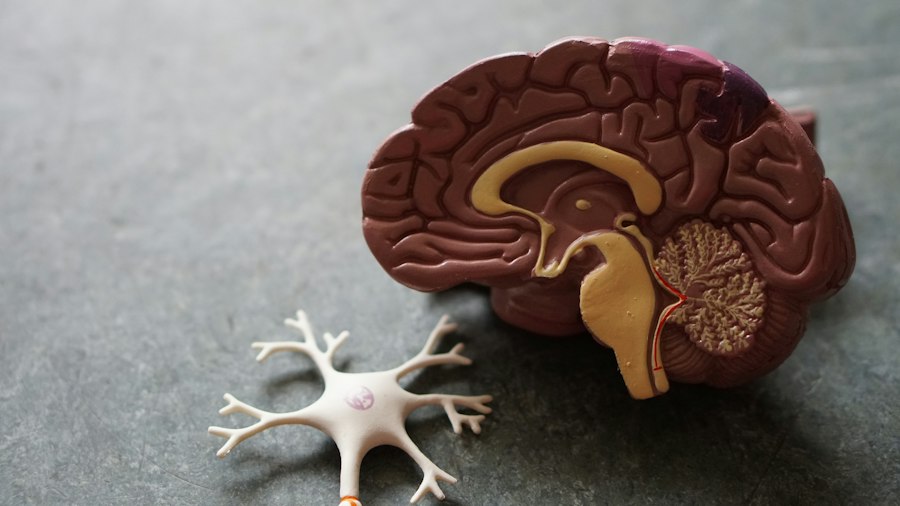
Stroke is the leading cause of acquired disability in adults in Spain and the second cause of mortality, according to data from the Spanish Society of Neurology (SEN). Each year, approximately 120,000 people suffer a stroke in the country. Neurological rehabilitation plays a fundamental role in the functional recovery process, and advances in neuroscience and robotic technology are expanding the therapeutic possibilities available to clinical professionals.
This clinical guide offers an updated review of the main phases of recovery after stroke, the neuroplasticity mechanisms that underpin rehabilitation, the available evidence on the use of robotic technology and neuromodulation, and the functional scales most commonly used in routine clinical practice.
1. Phases of recovery after stroke
The recovery process after a stroke is usually structured into three distinct phases, each with specific therapeutic objectives and a rehabilitation approach adapted to the patient's needs at that time.
1.1. Acute phase (0–14 days)
The acute phase covers from the moment of the cerebrovascular event until approximately the first two weeks. During this period, the priority is the medical stabilisation of the patient and the prevention of secondary complications. The European Stroke Organisation (ESO) guidelines recommend early mobilisation, which may contribute to reducing the risk of complications such as deep vein thrombosis, pressure ulcers, aspiration pneumonia and joint stiffness.
Therapeutic objectives in this phase include maintaining joint mobility, basic postural control, early sensorimotor stimulation and initial assessment of the patient's functional capabilities. It is essential that the interdisciplinary team —comprising rehabilitation physicians, physiotherapists, speech and language therapists, occupational therapists and nursing staff— establishes a coordinated treatment plan from the outset.
1.2. Subacute phase (2 weeks–6 months)
The subacute phase is usually considered the window of greatest recovery potential. During this period, spontaneous neuroplasticity mechanisms are especially active, which may facilitate cortical reorganisation and the formation of new neural connections. The NICE (National Institute for Health and Care Excellence) guidelines recommend a minimum of 45 minutes of each relevant therapy per day, at least five days a week, for those patients who can actively participate in the rehabilitation process.
In this phase, the rehabilitation programme usually intensifies progressively. Objectives focus on recovery of gait, functionality of the affected upper limb, activities of daily living (ADLs), communication and swallowing. It is during this stage that robotic technologies, such as a robotic gait training system and an upper limb rehabilitation robot, can play a particularly relevant complementary role, allowing high intensity and repetition of physiological movement patterns.

1.3. Chronic phase (more than 6 months)
Traditionally, functional recovery capacity was considered to decrease significantly after six months following stroke. However, scientific evidence accumulated over the past two decades suggests that the brain maintains some capacity for neuroplastic reorganisation beyond this period. Studies published in journals such as Stroke and Neurorehabilitation and Neural Repair have documented functional improvements in chronic patients subjected to intensive, well-structured rehabilitation programmes.
In the chronic phase, objectives are usually oriented towards optimising residual functional capabilities, preventing secondary deterioration, adapting the environment and maintaining quality of life. Evidence suggests that high-intensity robotic therapy may contribute to functional improvements even at this stage, especially when combined with neuromodulation strategies.
2. Therapeutic window and neuroplasticity
Neuroplasticity —the capacity of the nervous system to reorganise its structure, functions and connections in response to experience and learning— is the biological basis of neurological rehabilitation. After a stroke, various neuroplastic mechanisms are activated that can contribute to functional recovery.
Neuroscience research has identified that repetitive, intensive practice oriented towards functional tasks constitutes one of the most potent stimuli for promoting cortical reorganisation after stroke.
The principles of neuroplasticity applied to stroke rehabilitation, as systematised by Kleim and Jones (2008) in their influential work published in the Journal of Speech, Language, and Hearing Research, include:
- Specificity: the nature of training determines the nature of neuroplastic reorganisation. The tasks practised should be functionally relevant to the patient.
- Repetition: a sufficient number of repetitions is necessary to induce lasting synaptic changes. Robotic systems can facilitate the performance of hundreds of repetitions in a single session.
- Intensity: evidence suggests that greater training intensity may be associated with better functional outcomes, within the patient's tolerance limits.
- Time: there is a window of greater neuroplastic sensitivity in the first weeks and months after stroke, although the capacity for change is maintained, to a lesser extent, long-term.
- Relevance: tasks should be meaningful and motivating for the patient, which may contribute to greater engagement and adherence to the programme.
- Transfer: improvements obtained in a therapeutic context should translate to the patient's daily activities.
The interaction between these principles and advanced rehabilitation technologies, such as robotics and neuromodulation, represents one of the most active research lines in current neurorehabilitation.
3. Evidence on robotics and neuromodulation
The incorporation of robotic devices into stroke rehabilitation programmes has generated a growing body of scientific evidence. Systematic reviews published in the Cochrane Database of Systematic Reviews constitute a fundamental reference for assessing the current state of knowledge in this field.
3.1. Robotic gait training system
The Cochrane review by Mehrholz et al. (2020) on electromechanically-assisted gait training after stroke concluded that people who receive this type of intervention, combined with conventional physiotherapy, may be more likely to achieve independent walking compared to those receiving only conventional physiotherapy. The authors note that evidence suggests greater benefit in patients within the first three months after stroke and in those who cannot walk independently at the start of the intervention.
Robotic gait systems allow repetitive practice of the physiological gait pattern with body weight support, which can facilitate training even in patients with severe weakness in the lower limbs. This technology allows precise adjustment of parameters such as speed, weight support, movement assistance and step symmetry.
3.2. Upper limb rehabilitation robot
Functional recovery of the upper limb after stroke represents one of the greatest clinical challenges in neurorehabilitation. The Cochrane review by Mehrholz et al. (2018) on robotic arm training concluded that robotic therapy may contribute to improving arm function and activities of daily living when used as a complement to an individualised conventional rehabilitation programme.
Upper limb robotic systems allow working from proximal shoulder and elbow movements to fine motor skills of the hand and fingers, adapting assistance to the patient's functional level. The visual and haptic feedback provided by these devices may contribute to increasing motivation and active patient participation during the therapeutic session.
3.3. Non-invasive neuromodulation
Non-invasive neuromodulation techniques, such as repetitive transcranial magnetic stimulation (rTMS) and transcranial direct current stimulation (tDCS), are being investigated as complementary strategies in stroke rehabilitation. Available evidence suggests these techniques may contribute to modulating cortical excitability and facilitating neuroplasticity processes, although clinical trial results show considerable variability.
The ESO guidelines (2024) note that combining neuromodulation with intensive robotic therapy represents a promising research area, although higher quality clinical trials are needed to establish firm recommendations for their routine use in clinical practice.
4. Functional scales in stroke rehabilitation
Objective, standardised assessment of the patient's functional capabilities is essential for planning treatment, monitoring progress and evaluating the efficacy of interventions. The following scales constitute commonly used tools in neurorehabilitation clinical practice.
| Scale | Area assessed | Score | Main application |
|---|---|---|---|
| Barthel Index | Activities of daily living | 0–100 | Global functional independence |
| Berg Balance Scale | Balance | 0–56 | Falls risk, static and dynamic balance |
| Fugl-Meyer Assessment | Sensorimotor function | 0–226 | Post-stroke motor and sensory impairment |
| modified Rankin Scale (mRS) | Global disability | 0–6 | General post-stroke functional outcome |
4.1. Barthel Index
The Barthel Index assesses the patient's ability to perform ten basic activities of daily living: feeding, bathing, personal grooming, dressing, sphincter control (bladder and bowel), toilet use, transfers, ambulation and stair climbing. Each activity is scored according to the level of independence, with a total range of 0 (total dependence) to 100 (complete independence). It is one of the most widely used scales in rehabilitation services internationally due to its simplicity and demonstrated clinical validity.
4.2. Berg Balance Scale
The Berg Balance Scale assesses functional balance through fourteen tasks including activities such as sitting without support, standing up from sitting, reaching objects with the arm extended, turning 360 degrees or standing on one foot. Each item is scored from 0 to 4, with a maximum score of 56. Scores below 45 are associated with a higher risk of falls. This scale is particularly useful for monitoring balance progression throughout the rehabilitation programme.
4.3. Fugl-Meyer Assessment (FMA)
The Fugl-Meyer Assessment is the reference scale for assessing sensorimotor impairment after stroke. It evaluates motor function of the upper extremities (maximum score: 66) and lower extremities (maximum score: 34), in addition to sensitivity, balance, joint range and pain. Its structure allows detailed tracking of motor recovery and is particularly sensitive to changes in the subacute phase.
4.4. Modified Rankin Scale (mRS)
The modified Rankin Scale provides a global assessment of the degree of disability or dependence in daily activities. It is scored from 0 (no symptoms) to 6 (death), and constitutes one of the most widely used primary outcome measures in stroke clinical trials. Its application is simple and allows rapid classification of the patient's functional status.
5. The role of GNeuro in Ourense
GNeuro is a robotic neurorehabilitation centre located in Ourense (Galicia) that integrates state-of-the-art robotic technology within individualised neurological rehabilitation programmes. The centre has a robotic gait training system and an upper limb rehabilitation robot, among other advanced rehabilitation devices, allowing both gait recovery and upper limb functionality to be addressed.
The GNeuro clinical team comprises professionals with extensive experience in hospital neurorehabilitation, including physiotherapists, speech and language therapists and rehabilitation physicians. This clinical experience enables the design of treatment programmes that combine evidence-based conventional therapy with the possibilities offered by robotic technology, always as a complement to an individualised programme adapted to the specific needs and objectives of each person.
The geographical proximity of the centre to the main hospitals in the province facilitates continuity of care and coordination with the medical teams treating patients during the acute phase. This integration between the hospital and outpatient settings may contribute to optimising access times to intensive rehabilitation, a factor that evidence identifies as determinant in long-term functional outcomes.
6. Frequently asked questions
When should rehabilitation begin after a stroke?
Current clinical guidelines, including those from ESO and NICE, recommend starting rehabilitation as soon as the patient is medically stable, ideally within the first 24–72 hours after the event. Early supervised mobilisation may contribute to preventing secondary complications such as deep vein thrombosis, pressure ulcers or aspiration pneumonia. Intensive rehabilitation should be progressively increased according to the patient's tolerance and capabilities.
What role does robotics play in stroke rehabilitation?
Evidence suggests that therapy assisted by robotic devices, such as a robotic gait training system or an upper limb rehabilitation robot, may contribute to improving motor function when used as a complement to an individualised conventional rehabilitation programme. Robotic systems allow high repetition of movements with graduated assistance, which aligns with neuroplasticity principles. Available Cochrane reviews indicate that the benefit may be greater in the early phases of recovery and in patients with greater level of involvement.
Is functional recovery possible in the chronic phase of stroke?
Although most spontaneous recovery occurs in the first 3–6 months, evidence suggests the brain maintains some capacity for neuroplastic reorganisation beyond this period. A well-structured intensive rehabilitation programme may contribute to functional improvements even years after the stroke. Current clinical guidelines recommend not limiting access to rehabilitation based exclusively on time elapsed since the event, but assessing individually the potential for improvement of each person.
Which scales are used to assess progress after a stroke?
The most commonly used functional scales in clinical practice include the Barthel Index (independence in activities of daily living), the Berg Balance Scale (balance and fall risk), the Fugl-Meyer Assessment (sensorimotor impairment) and the modified Rankin Scale (global disability). These tools allow the clinical team to quantify deficits, monitor progress throughout treatment and adjust therapeutic objectives objectively.